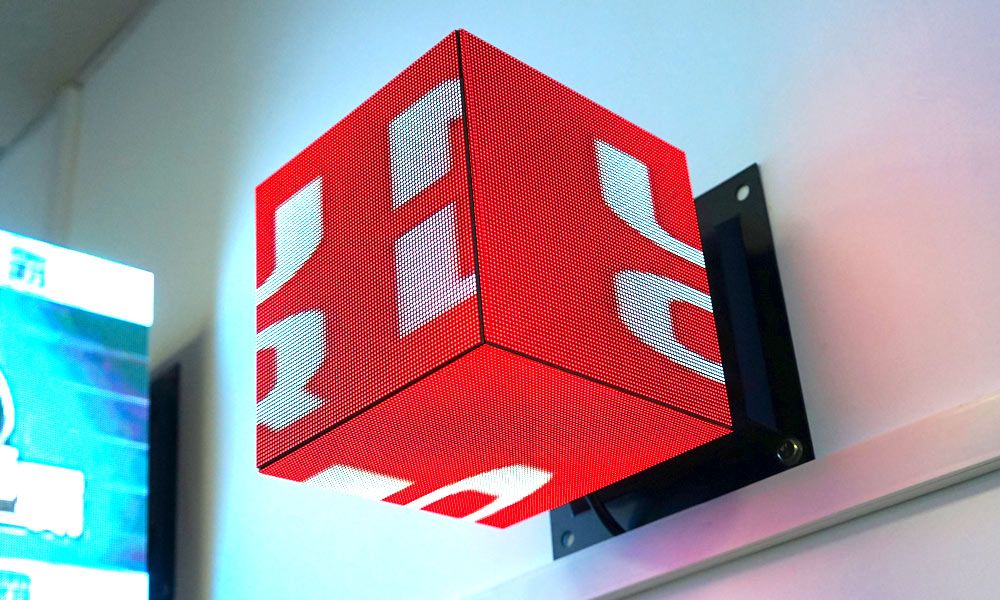

In the realm of lighting technology, RGB LEDs stand out as versatile components that go beyond simple illumination—they create immersive experiences and unleash boundless creativity. Let’s dive into the world of RGB LEDs and explore their fascinating capabilities.
1. Understanding RGB LEDs
RGB LEDs, short for Red, Green, Blue LEDs, are semiconductor light sources that combine these primary colors to produce a wide spectrum of hues. Each RGB LED integrates three LEDs (red, green, blue) into a single package, allowing precise control over each color channel’s intensity.
2. The Science Behind RGB
At its core, RGB LED operation relies on manipulating the intensity of red, green, and blue light emissions. By adjusting the current flowing through each LED channel, varying colors and shades can be achieved. This principle forms the basis for creating dynamic lighting effects and vibrant displays.
3. Applications Beyond Illumination
While RGB LEDs are commonly used for decorative lighting and ambiance control in homes and entertainment venues, their versatility extends far beyond traditional applications:
– Interactive Installations: From art installations to interactive museum exhibits, RGB LEDs enable dynamic visual storytelling and audience engagement through synchronized light shows.
– Gaming and Beyond: In the gaming industry, RGB LEDs transform peripherals like keyboards and mice into customizable light shows, enhancing gameplay immersion and personalizing the gaming experience.
– *Architectural Integration:* Architects and designers utilize RGB LEDs to illuminate buildings and bridges dynamically, showcasing intricate designs and enhancing urban landscapes with stunning lighting displays.
4. Control and Programming
Advancements in microcontroller technology and software interfaces have made RGB LED control accessible and intuitive. Users can program sequences, color transitions, and animations using dedicated software or even mobile apps, empowering creativity in lighting design.
5. Future Trends and Innovations
Looking ahead, the evolution of RGB LED technology focuses on energy efficiency, miniaturization, and expanding color gamuts. Innovations like addressable RGB LEDs, where each individual LED can be controlled independently, promise even more intricate lighting effects and seamless integration into smart environments.
Conclusion: Embracing the RGB Revolution
RGB LEDs have revolutionized the way we perceive and interact with light. Beyond their practical applications in lighting, they embody a fusion of technology and artistry, offering limitless possibilities for creating dynamic, immersive, and unforgettable experiences.